Handmade Carpet or Machine Made: Know the Difference & Use Case
When choosing a carpet for your home, you need to think about more than just the colour and pattern. You should also think about the quality of the work, how long it will last, and how much it will cost. So, the question is, which one to choose - a handmade carpet or a machine-made carpet? The rug you choose will affect your budget, your decor, and how long it will last. In this blog you will get full, fair comparison to help you choose. It emphasises the things that are most essential to the smart client, like quality, durability, and usefulness.
What is a Handmade Carpet?
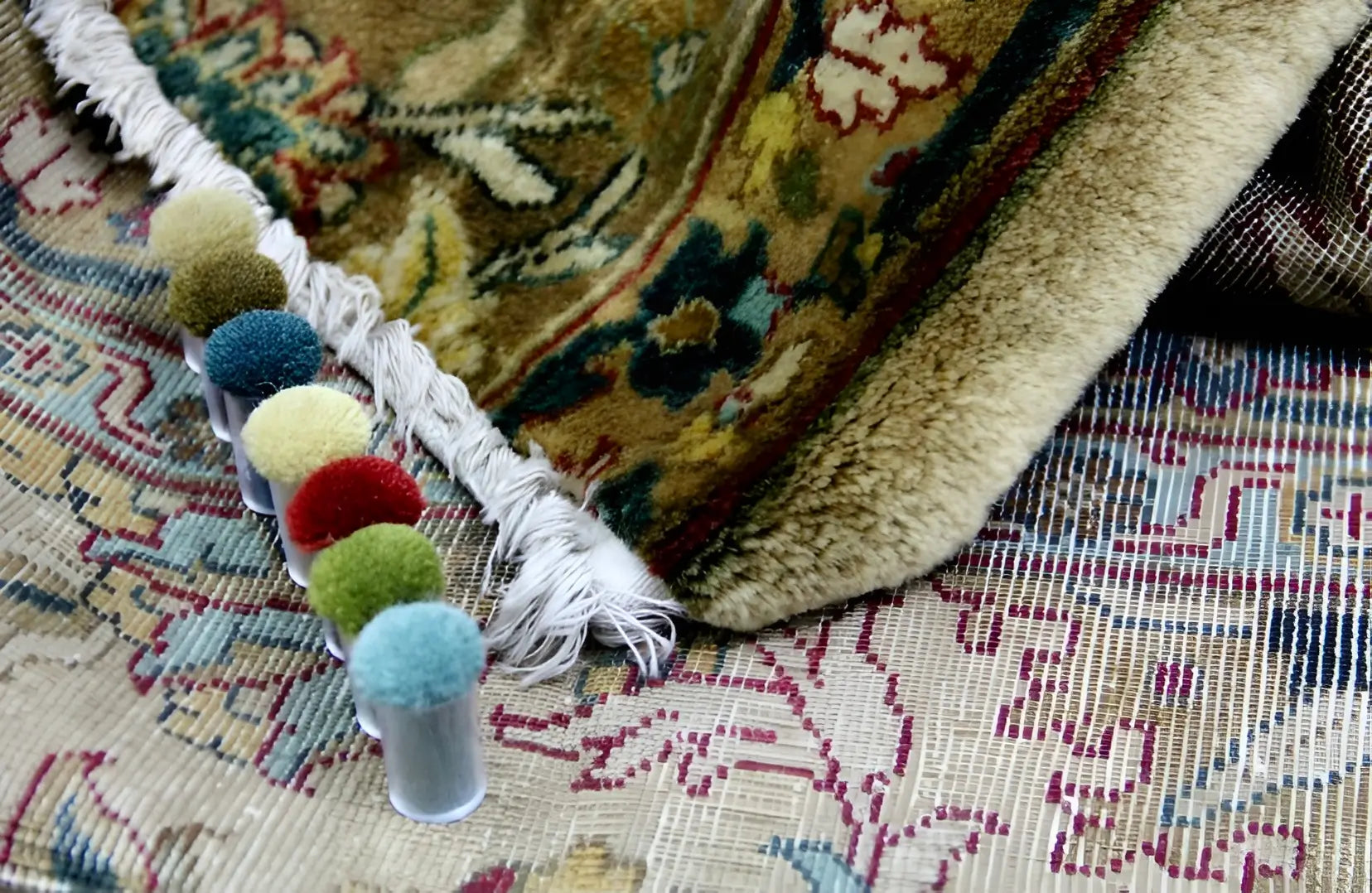
A handmade carpet is a piece of textile art for floor covering that is made by hand, generally using techniques like hand tufting, knotting or weaving that have been passed down through the years. These rugs are created one knot at a time on a vertical loom. An skilled artisan connects each knot to the threads that make up the warp. This can take anywhere from a few months to years for just one big thing. Some of the most common natural materials use for handmade carpets are cotton, silk, and wool. They make the rug exceedingly robust and give it a soft, rich feel.

What is a Machine‑Made Carpet?
Machine-made carpets also termed as power-loomed rugs, are created in vast numbers using machines that are controlled by computers. This industrial process makes it easy and affordable to swiftly create the carpets. The primary diffrence between handmade and machine-made rugs lies in their production speed and material composition. Most carpets made by machines uses synthetic fibres like nylon, polyester, acrylic, or polypropylene. They may look like traditional patterns, but they don't have the depth and texture that actual hand-knotted rugs do. It only takes a few hours to manufacture a machine-made carpet, which makes it convenient to get.

Look and Feel: Which One Suits Your Style?
The feel of a carpet is quite significant for home decor since it can change the mood of the whole room.
The Lovely Things About Hand-Made Rug
What makes a handmade carpet special is its deep character. The silk and wool fibres are the softest and shiniest you can find. The colours, which come from natural vegetable dyes, are deep and rich, and they get better with age. These rugs are:
- Dimensionality: Patterns with a lot of knots that look like they are almost three-dimensional.
- Uniqueness: The rug's unique personality derives from subtle variances, including colour changes or borders that aren't straight.
These carpets are perfect for formal living rooms, master bedrooms, or dining rooms where you can really see how gorgeous they are.
How a Machine Made Rug Look
Machine-made rugs are always the same and show off the newest styles. They work well in modern, minimalist, or business situations that need a lot of regularity since they reproduce colours, patterns, and symmetry very well.
- Consistency: It's easy to reproduce the design, which is ideal for making spaces look the same.
- Versatility: Bright synthetic dyes let you have modern, bright colour schemes and patterns that change often with the newest trends in interior design.
People may easily modify their decor without spending a lot of money because these items are inexpensive and come in many styles.
Durability and Maintenance of Rugs
When you buy flooring, you should know how long it will last. The biggest difference between the two types is how long they last and how much work they need to keep them in good shape.
Durable and long-lasting
Handmade Carpets: Durableility is an excellent way to characterise them, especially if they are hand-knotted and produced from high-quality wool or silk. The construction is incredibly strong and long-lasting since the knots are so closely packed together.
Machine Carpets: Most of these carpets are constructed of synthetic fibres, which means they don't last as long as natural fibres. The lifespan of these carpets typically ranges from 5 to 10 years, depending on the quality of the materials and the amount of foot traffic they experience.
How to Take Care of and Use
Handmade: Because they are valuable and constructed from natural materials, handmade rugs require careful maintenance. Wool naturally doesn't get dirty, but a professional needs to clean it often to keep the dyes and weave in excellent form. Such cleaning is a particular maintenance duty that costs more.
Machine-Made: These synthetic fibre rugs are low-maintenance, since they don't fade, get wet, or get dirty easily. They are perfect for families with kids and pets because you can easily clean them with conventional carpet cleaners and vacuums.
When Should You Choose Handmade?
You want something that has been passed down through your family: If you want a rug that will last for decades and maybe even go up in value, hand-knotted wool or silk rugs is the finest choice. This is what it means for rugs that are created by hand to last a long period.
You put natural fibres first: High-quality handmade carpets are composed of wool, silk, and cotton that can break down naturally. They are also typically dyed with vegetable colours, which is safer. They are a good alternative for homes that care about the environment and want to use natural materials.
Buying a handmade item from India promotes traditional artisan groups and keeps historical weaving techniques alive.
When Should You Choose Machine‑Made?
Carpets created by machines are functional, affordable, and easy to use, which makes them perfect for some scenarios. If money is your main concern, you should get a carpet manufactured by a machine. You can use them to decorate your whole house or change the look of your home often because they are so much cheaper.
Price Diffrence Between Handmade and Machine-Made
The price difference between the two types of carpets is perhaps the most essential thing to think about when choosing which one to buy. This is because it shows how much time and work went into making them.
The Cost of Handmade Goods
The price of a handmade carpet relies on a few key things: the material (silk is the most expensive), the knot density (more KPSI implies a higher price), and how long it takes to manufacture it. Because the process takes a lot of time and skill, 90% of the cost is often attributable to the months or years of skilled work that goes into it. A large, high-quality hand-knotted wool rug can cost thousands of dollars, so it's a serious investment.
The Cost of Machines Made
Carpets created by machines are less expensive because they may be made in big numbers. Making them is quick, and synthetic materials cost less than good natural fibres. The largest costs are for raw materials and running the machinery because there isn't much work to do. Because of this, a machine-made rug that is the same size as a handmade rug can cost a lot less. They look wonderful for the price; however, they lose value with time.
Conclusion: Which is better for you?
In the end, your priorities will decide if you choose handmade or machine-made carpets. If you want a rug that will survive for generations and get more valuable with time, the hand-knotted or hand-tufted rug is the clear winner. It lasts a long time and is one of a kind; therefore, the higher price and extra care are worth it. If you need a cheap, easy-to-replace, and low-maintenance carpet for a busy location, or if you enjoy the look of modern design and how it can be utilised in numerous ways, a machine-made rug is the perfect choice.