Why Wool Rugs Are Worth It: Benefits, Care and Buying Tips
A wool rug is rarely the cheapest option on a product page. That difference raises a fair question. Why choose wool rugs when synthetic alternatives look similar and cost less? The answer lies in how wool behaves over time. Not just how it looks on day one, but how it performs after years of foot traffic, furniture pressure, spills, and cleaning. Wool is not simply a natural material. It is a performance fibre that reacts differently to stress, moisture, and heat than plastic-based yarns. For buyers weighing durability, maintenance, and long-term value, wool rugs operate on a different timeline.
5 Hidden Benefits of Wool Rugs
1. Fibre Resilience and Recovery
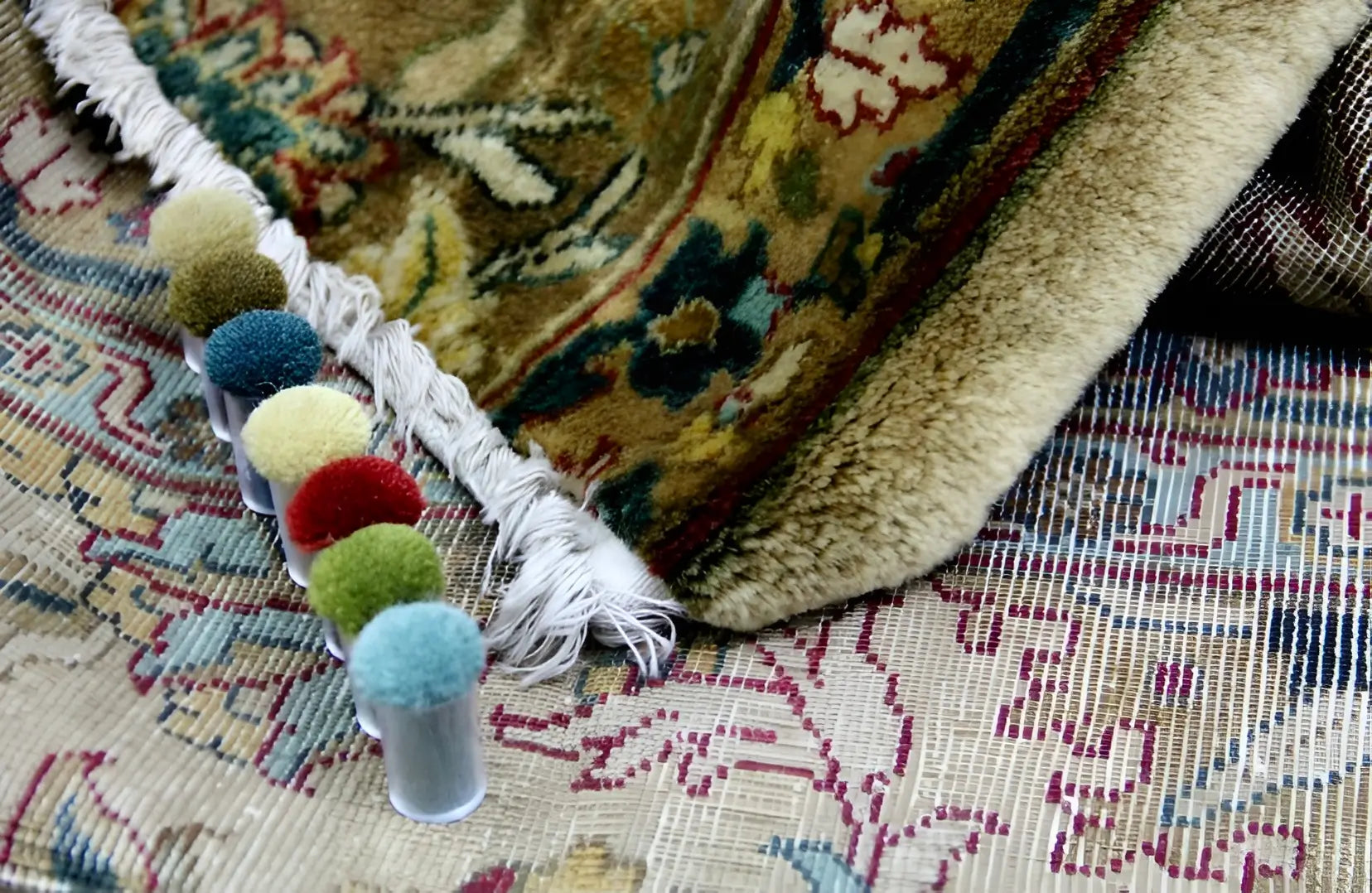
Wool fibres are made of keratin and grow in a natural coil. When compressed, they bend rather than break. This is why handmade wool rugs recover from furniture dents and heavy use. Polyester fibres flatten permanently under similar pressure. Over time, this difference becomes visible, especially in living rooms where sofas and tables rarely move. This resilience directly affects how long a rug continues to look usable.
2. Dust and VOC Absorption
Wool fibres absorb airborne moisture and trap dust particles instead of allowing them to circulate. This includes pollen and volatile organic compounds released by furniture finishes or cleaning products. In practical terms, wool rugs hold these particles until they are vacuumed away. Synthetic rugs do not. This behaviour is one reason wool is often used in spaces where indoor air quality matters.
3. Natural Stain Resistance from Lanolin
Wool contains lanolin, a waxy substance that repels liquids. Even after processing, wool fibres retain some of this property. This creates a short delay before spills penetrate the fibre. Tea, wine, or juice can usually be blotted if addressed quickly. This is not stain-proofing, but it explains why wool rugs are often easier to maintain than expected. For everyday use, this buffer matters.
4. Heat and Fire Behaviour
Wool does not melt when exposed to heat. It chars slowly and self-extinguishes once the heat source is removed. This makes wool rugs suitable for homes with underfloor heating or heavy electrical usage. Synthetic rugs can soften, warp, or release fumes under similar conditions. Several handmade wool rugs from Keva Living are designed to remain stable on heated floors without compromising fibre structure.
5. Undyed Wool and Chemical Reduction
Undyed wool retains its natural colour variation. Creams, greys, and warm neutrals appear within the same rug without chemical dyes. This reduces water usage during manufacturing and avoids dye-related residues indoors. Visually, undyed wool produces a calmer surface that does not date quickly or overpower a space.
Why do Interior Designers Choose Wool?
Colour That Ages Evenly
Wool absorbs dye through the entire fibre, not just on the surface. As a result, colours fade slowly and evenly. Synthetic rugs often lose colour unevenly, especially in sunlit rooms. Over time, this creates patchy or dull areas that cannot be corrected. This difference explains why wool rugs remain common in long-term interior projects.
Texture Without Artificial Shine
Wool absorbs light rather than reflecting it. The surface remains matte and consistent even after years of use. Synthetic fibres tend to develop a glossy sheen as they wear. This sheen is often mistaken for dirt or damage and cannot be reversed.
What You Should Know About Wool Rugs
The Shedding Phase of wool
New handmade wool rugs shed loose fibres during early use. This is common in hand-tufted rugs and is not a defect. Shedding reduces with regular vacuuming and typically stops within a few months. It is comparable to breaking in a leather sofa or wool sweater.
Sensitivity to Harsh Cleaners
Wool reacts poorly to bleach and strong alkaline cleaners. These strip natural oils and weaken fibres. This limitation requires gentler cleaning methods but also reduces chemical exposure inside the home. Mild soap and water are usually sufficient for spot cleaning.
Are Wool Rugs Good for Everyday Use?
Yes, wool rugs are suitable for everyday use when the construction matches the space. Dense handwoven wool rugs perform well in high-traffic areas such as dining rooms and corridors. Hand-tufted wool rugs are better suited for living rooms and bedrooms where comfort matters more than abrasion resistance.
For homes with pets or children, wool’s resilience and stain resistance make it a more practical option than most synthetic alternatives.
Woollen Rug Buying Guide
Hand-Tufted Wool Rugs
- Thick and soft underfoot
- Faster production
- More affordable within handmade categories
- Best used in living rooms and bedrooms
Handwoven Wool Rugs (Flatweave)
- Low pile or no pile
- Reversible
- High durability
- Suitable for dining areas and frequent movement zones
Wool vs Synthetic Cost Over Time
| Factor | Wool Rugs | Synthetic Rugs |
| Average lifespan | 10–15 years | 3–5 years |
| Fibre recovery | High | Low |
| Heat resistance | Stable | Can warp |
| Environmental breakdown | Biodegradable | Non-biodegradable |
Simple Maintenance of Wool Rug
Vacuuming: Use suction only. Avoid rotating brushes. Vacuum along the pile direction where applicable to prevent fibre stress.
Spill Handling: Blot immediately using a clean cloth. Do not rub. Cold water with mild soap is usually enough.
Professional Cleaning: Deep cleaning every 12 to 18 months is sufficient for most homes. Choose services familiar with natural fibres.
You can keep them looking beautiful and extend their lifespan with regular rug care and maintenance.
Styling Wool Rugs by Room
Living Room: Wool absorbs sound and reduces echo. This softens large or open-plan spaces.
Bedroom: Wool regulates temperature naturally. It feels warm in winter and neutral in summer.
Entryway: Tightly woven wool rugs handle grit and repeated foot traffic better than many synthetics.
Conclusion
Wool rugs demand a higher upfront cost. What they offer in return is durability, stability, and a slower ageing process. For buyers considering everyday use, long-term maintenance, and indoor comfort, wool rugs outperform most synthetic alternatives. Over time, the economics favour wool as much as the aesthetics. Explore handmade wool rugs crafted for everyday living, from plush hand-tufted styles to durable flatweaves. View the wool rug collection at Keva Living or request a sample to assess texture, construction, and colour in your space before making a long-term choice.
Frequently Asked Questions
Are wool rugs worth the money?
For long-term use, yes. Wool rugs typically last longer and require fewer replacements than synthetic rugs.
Do wool rugs smell?
Only when wet. The smell fades quickly as the rug dries.
Are wool rugs safe for pets?
Yes. Wool fibres are resilient, and dried mud or dirt is easy to vacuum off.
Does wool cause allergies?
No. Wool traps allergens, allowing them to be removed through vacuuming.